


Writing Children’s Books

Writing children’s books is not an easy business; it demands swiftness, characters that appeal to the age group, fitting dialogue, and factual explanation. Many people today claim they don’t like to read, although there is a marked revival among young people who are finding works by contemporary writers appealing, as well as books from the past by well-known authors. While some non-readers are diagnosed as Dyslexic and may experience specific learning disabilities in reading, most others who seldom if ever pick up a book or magazine to read admit to finding reading for leisure boring, too difficult, not important and a waste of time. Children, in particular, with poor reading habits usually get poor grades at school; they are easily distracted, exhibit anti-social behavior, fail to achieve ego-identity during adolescence, and often fail to develop to their full potential.
Writing Children’s Books
In our modern society most people are categorized as “paper readers” or “electronic readers”; even before they start pre-school, children today are already skilled in some or other form of multimedia through access to computers, electronic games and cellular phones. Most pre-teens have fun exchanging messages with friends on mobile phone, send e-mails, take pictures, listen to music, watch videos, browse the Internet, and check their schedule as if it was a palmtop. Download free e-book, “11 Steps to Writing Your First Children’s Book”.
The habit of reading should begin at an early stage – starting with parents or caregivers reading to the child on a regular basis — and should be pursued throughout one’s lifetime. Writing children’s books can be a very rewarding and profitable leisure pursuit or career for writers. Any writer who wants to write and publish children’s books should spend an hour or more in the children’s book section of any public library or book store, to familiarize themselves with the type of children’s books that are well-liked or currently being published.
—————————————————–

Kwarts Publishers invite anyone who wants to try their hand at writing a short children’s story, to send it in for their ‘Mini-Stories’ writing opportunity. Stories must be aimed at children between the ages of 4 and 10 years and should be simply written, full of fun and definitely with a happy ending! You do not have to be an experienced writer to send in your mini-story. The purpose of this writing opportunity is to stimulate writing talent, and provide a platform where you can begin to realize your writing dream. This opportunity is for anyone, young and old! Selected entries will be posted on the blog page, and published in an e-book compilation. >> Read More

Imagnary House is a new boutique publishing house for children’s literature in Cape Town, South Africa. Founder and CEO, Brad Harris, says: “We are focused on building a larger market for African children’s authors and illustrators by both igniting the local readership and engaging with international readers.” Visit their Website: https://imagnaryhouse.com/. Imagnary House has just opened their submissions after launching their debut publication (Seven by B. D. Harris), and is now looking to build up their publication list for the next 2 years. What are they looking for? “We love stories that are fun and imaginative, but also address current societal issues for children. We want simple stories that mean something and can feed positively into our children’s futures,” says Brad Harris.
Imagnary House will consider submissions in the following genres:
- Children’s long form fiction (think Roald Dahl and CS Lewis narratives)
- Picture books
- Rhyming verse books (think Dr Seuss)
Writers and illustrators can submit their work on Imagnary Houses’ submissions page at https://imagnaryhouse.com/pages/submissions.
——————————————————–
For example, the Harry Potter series of story books by J. K. Rowling have had a positive impact on children’s reading habits. It is also beneficial to know which multimedia games children find inspiring. Bear in mind that young audiences today are comfortable with a mix up of videos, photos, drawings, texts, sounds and cartoons that create complex time-space electronic building blocks to tell a story.
Many writer’s claim they do not have what it takes to captivate the attention of youngsters, but it is a skill than can be learned. As the work progresses, try to measure it against what you consider to be high standards.
- Does the swiftness compare to a published work in the same genre by an author you admire?
- Are the characters fully developed for this age group?
- Is the dialogue fitting for the audience?
- Check that you have included all of the important elements.
- Did you include anything that is unnecessary?
- If your story is based on factual explanation, did you do enough research, or did you pad areas with indiscriminate filler text?
- Does your story make sense to other people?
- Recognize when a manuscript is as strong as you can make it, and then send it out to a publisher for review.
What do children today want to read?
A plausible reason why most children and teens today are not avid readers is because other forms of communication, learning and entertainment have taken over the ever popular print book. What sparks their interest? The answer lies in delivering swifter action, a swifter plot, and swifter characterization. Fast-paced multimedia platforms have raised the bar for authors to match up the existence of improbable actualities consistent with credible facts which former generations never knew. For instance, the Harry Potter stories deliver something for everyone: magic, friendship, action, diverse family units, humor, adventure, fantastic settings, and even horror.
- Never write down to children; modern children will not read it.
- Sincerity, simplicity and enthusiasm are the requisites of your work.
- Adopt a kind of multi-personality in fashioning your narrative.
- Be alert to imaginative plots.
- Generate ideas from comic books [including Japanese Anime Manga], magazine cuttings, and incidents from real life, legends and mythology.
- Place your stories against an unusual background.
- Use dramatic narration. It does not matter to the reader that in reality animals do not speak, that trees do not sing, and that inanimate objects are not articulate. Their imagination is enhanced when reading about a secret garden that is inhabited by a scary dragon, when an abandoned castle turns out to be a giant space ship, or a magic doorway transports the character of the story to a time in the distant future. Stories should be a force for good – wholesome, alive, and inspiring.
- Bookchat is a site for reviews and recommendations of English language South African children’s books.
- Nal’ibali (isiXhosa for “Here’s the story”) is a national reading-for-enjoyment initiative to get people in South Africa – children and adults – passionate about telling and reading stories
- FunDza Literary Trust‘s mission is to boost literacy among teens and young adult South Africans by popularizing reading, growing a community of readers and developing young writing talent.
- Books LIVE is a daily online literary newspaper with all you need to know about South African publishing news, reviews, events and opinions.
What do publishers of children’s books want?
Publishers of children’s books want new ideas to be worked out as thoroughly and as perfectly as possible, outlined in a concise written proposal. They want a writer who can write well, write more than one story, and be professional. Publishers also look for that ‘extra something’ in a manuscript for a proposed children’s publication. In brief, the work must impress in its ability to sparkle, provide a fresh angle and be original. And it must provide a surprise ending. Books are expensive to produce and titles are therefore chosen specifically for their capacity to sell in sufficient quantities to make it financially viable, which means the work must be marketable to a wide readership. Steps the author should take:
- Adopt the reader’s viewpoint, from the very start of writing the manuscript.
- Keep within the designated word count for a children’s book. While the length of the manuscript should be determined by the story itself, it is wise to follow the following guidelines:
- Fictional short story (7 500 words)
- Adolescent/Teen novels (aimed at ages 8 to 12 years, 20,000 to 40.000 words; ages 12 to 16 years, 35,000 to 45,000 words)
- Young adult (55 000 to 70 000 words)
- Novelette (7 500 to 17 500 words)
- Novella (17 500 to 40 000 words)
- Novel (40 000 to 70 000 words)
- Non-fiction (under 60 000 words)
- Picture books (ages 1 to 3 years; 3 to 5 years; 5 to 7 years; 7 to 10 years) contain minimal text. The standard picture book consists of 32 pages, with a total of 25 – 1,500 words
- Early Readers (ages 6 to 9 years) contain 1,000 – 1,500 words
Writing for children is not an easy business. You must consider your idea, and the number of words that will be occupied in telling your story. It is important to realize the child’s point of view. Children’s stories can only be written by means of imagination, recollection and insight. Now begins the game of ‘pretending’, which allows the mind of the child or adolescent to reason, invent, justify – simply put, to ‘rationalize’. This provokes the beginning of a vicarious adventure, which the writer of childhood tales hopes will prompt the young reader to exclaim ‘How I wish I could be like so-and-so [character in the story], having such amazing adventures, seeing such strange places, meeting unusual people, and doing such wonderful things!’ The book may lead to being made into a feature film, including anime [a Japanese style of motion-picture featuring hand-drawn or computer animation]. Once the manuscript is edited the author must decide whether to submit it to a commercial book publisher for review or self-publish. Read Publishing Choices.
Words by Theresa Lutge-Smith (ecottage@gmail.com). Contact Theresa for ghost writing, editing, and book publishing.
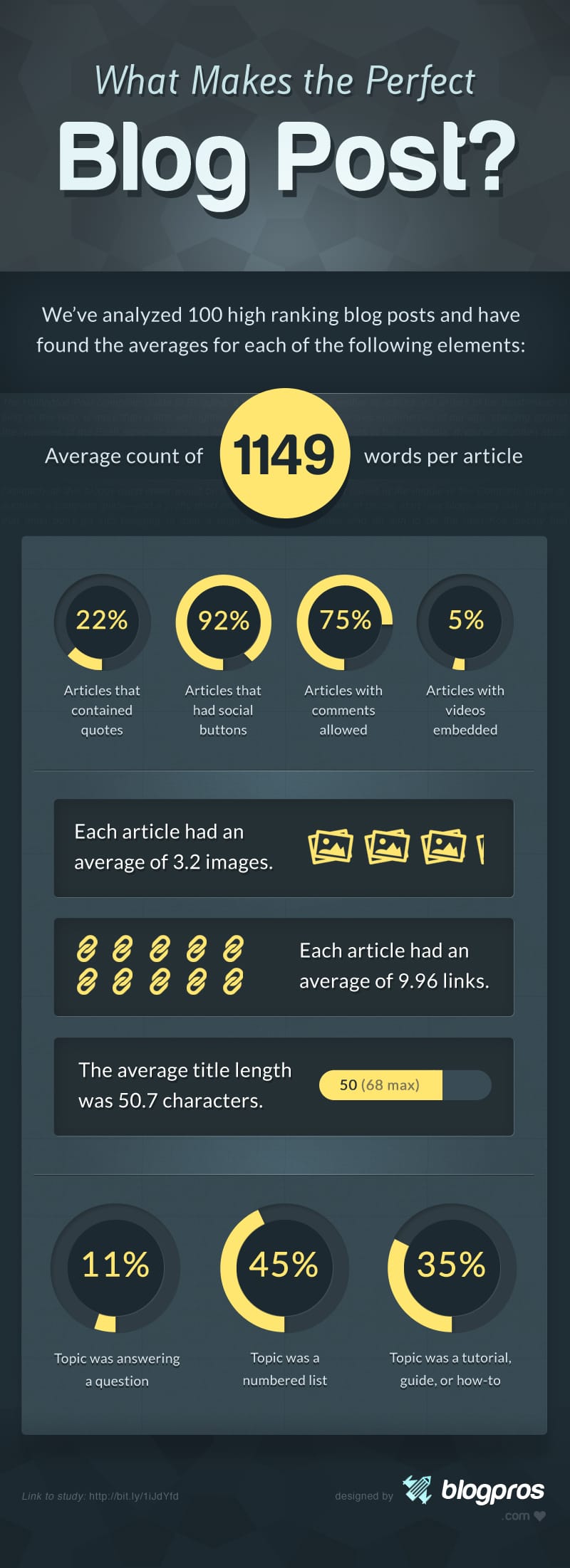
AIDA Your Blog Post!

An attention-grabbing blog post gives the reader a reason to want to read the piece. The opening statement should leap off the page. Communicate the benefit of reading the rest of the article. Include a shocking statistic to engage readers. Make sure the first couple of sentences make a claim that sparks curiosity. Ask an insightful question. Provide a rational solution to a noteworthy problem. Back up your viewpoint with sound advice from a respected public figure.
The goal is to construct your blog post into a concise tutorial guide or how-to piece to encourage readers to reflect on the ideas you are proposing. The acronym AIDA is a clever tool for ensuring that your blog writing attracts attention. The acronym stands for Attention, Interest, Desire and Action. These four steps point the reader in the direction you want them to take. It pays to put time and effort into creating a blog post. Talk directly to your readers. Get their attention by using powerful words or visuals (images, links, and embedded videos) that will further reinforce their attention. The next challenging step is building on readers’ interest. Stay focused on their needs by elaborating on relevant issues. Use bullets to make your points stand out. The Interest and Desire parts of AIDA are synonymous; as you build the readers’ interest you also need to help them recognize how what you are offering can benefit them in a real way.
Finally, your blog post should conclude with a call to action. You may want to add a URL and invite them to subscribe to your newsletter, browse your Web site for more information, or view a new product. Be inventive in your closing; think outside the box, and then go a massive leap further to make a lasting impression on your reader. Remember, you don’t get a second chance to make a good first impression! Convert new readers into loyal readers by building a brand that is attractive and draws people in. Make your blog interactive by inviting comments. Include competitions, polls and projects. Involve your readers as much as you can by way of social media, and maintain posting frequency to a daily update. It’s not impossible to make every post a hit, especially if your goal is to make your blog post go viral. Achieving this position demands consistent effort on your part to put your blog out there and connecting with an extensive following. Before you post your blog check for any errors, put your main topics into Google Keyword Tool (to optimize the most popular keywords), and add pictures next to key items. After posting use the following guide to connect with as many readers as possible:
- Add to your email signature
- Add to your next newsletter
- Add to your signature in forums
- Directory submissions
- Forum comments
- Link to our own past and future blog posts
- Post on Forums in niche
- Post to Face book
- Post to Google +
- Post to LinkedIn
- Post to Pinterest, if applicable
- Post to Twitter
- Post to YouTube, if applicable
- Press releases
- Provide SEO keywords for images
- Refer to posts on LinkedIn
- Refer to posts on Quora
- Refer to posts on Yahoo! Answers
- Relevant blog comments
- Request other bloggers to mention your post
- RSS directory submits
- Social bookmarking
- Submit to Delicious
- Submit to Digg
- Submit to Reddit
- Submit to StumbleUpon
- Submit to Technorati
- Submit to Yahoo Buzz
Words by Theresa Lutge-Smith (ecottage@gmail.com)
Via: blogpros.com
Self Editing

What separates mediocre writers from good ones?
Clearly it is their ability to come up with fresh ideas, spot gaps in chapters, delete content that does not fit, and flesh-out incidents that will entice the reader to pay attention and continue reading. Another key characteristic is the quality of their editing. Most writers rely on an appointed editor to check their work for clumsy or ambiguous phrasing, typos and inconsistencies, but if you are working on your first manuscript, feature article, or publishing posts to a blog, you may not have the time to outsource your work for proofreading.
However, some writers find it difficult to edit their own work; they argue that they would not have written in the way they have if it wasn’t their intention in the first place. Consequently, many end up skipping editing altogether because they simply don’t recognize any errors or purely because they find the process objectionable. Then again, there are writers who demand perfection and spend hours trying to get a paragraph just right. It is acceptable to want to write perfectly the first time, to side step editing, but self editing as you write is often a mistake many emerging writers make. Ray Bradbury, American fantasy, science fiction, horror and mystery fiction writer (1920 – 2012) believed that when it comes to first drafts, we should just write [and not pay attention to grammar, typos and viewpoint]. He said, “The faster you blurt, the more swiftly you write, the more honest you are. In hesitation is thought. In delay comes the effort for a style, instead of leaping upon truth which is the only style worth dead-falling and tiger-trapping.” In short, what he meant was that we should write with gusto; get it down fast, even if it doesn’t quite make sense at this stage – you can always patch up sentences during the revision [editing] phase.
It’s good advice; it’s fine to correct a typo, or restart a sentence while creating the first draft – but avoid going back to delete whole sentences or re-write paragraphs. Once the article or book manuscript is complete, put it aside for a while before you re-read it to check the content for errors. You will approach the work in a more objective manner and will notice problems that didn’t stand out before, such as too many short/long paragraphs, glaring typos, moving chunks of material to facilitate the flow of your piece, adding missing information, and cutting repetitive copy or unnecessary adjectives to reduce word count. Read your work out loud; if you need to read a sentence more than once to understand it, change it.
Run your work through a spell-checker, but don’t blindly follow every suggestion. Finally, print out your work. Give it a quick read-through. It is important to arrive at a stage where you feel thoroughly confident about your work. The best writing sounds fluent, like you’re speaking.
Contact Theresa (ecottage@gmail.com) for editing services. Order our Editing & Proofreading Tutorial (e-book).
Interesting Infographic: Most popular books

Storytelling has throughout history been an effective means of communication and a deliberate tool for sharing knowledge. However, modern technology has altered — albeit enhanced — the way stories are delivered today. While some believe that modern technology — through television, computers, the Internet, and film — might have robbed society of the intimate bond between physical storyteller and intimate group of captivated listeners, many recognize that books and modern technology allows us to re-visit experiences and insights through printed literature or access information at the touch of a button, whenever we want. Modern technology also allows us to speak with thousands of people about their opinion of a topic and explore different authors’ perspectives in books or electronic media to remind us that storytelling today is an important communicative and educational activity as it ever was. Peruse the infographic for an introduction to popular books. Imagine if generations of civil society were not exposed to books and other forms of information-sharing to enlighten their curiosity for historical facts and knowledge, they would be forever ignorant and unable to understand their past or their future; history and life are nothing but a series of stories. The destiny of the world is determined by stories that have a positive impact on how humanity approaches its future.
Those who do not have power over the story that dominates their lives, the power to retell it, rethink it, deconstruct it, joke about it, and change it as times change, truly are powerless, because they cannot think new thoughts. —Salman Rushdie.
Australian Aborigines say that the big stories—the stories worth telling and retelling, the ones in which you may find the meaning of your life—are forever stalking the right teller, sniffing and tracking like predators hunting their prey in the bush. —Robert Moss, Dreamgates
Stories are how we learn. The progenitors of the world’s religions understood this, handing down our great myths and legends from generation to generation. —Bill Mooney and David Holt, The Storyteller’s Guide
Contact Theresa (ecottage@gmail.com) for any queries about writing, editing or publishing.

Write a Novel that Sells

Before you even organize the framework to start writing your manuscript, there is one very important factor to consider. As in any industry, to succeed you must have a quality product to sell that will attract enough customers to buy it. To create a marketable product—in this case, a salable manuscript that will motivate a book publisher to offer you a publishing contract —you need to follow these basic steps.
Step 1: Read other writers’ work before you start writing. Read everything you can lay your hands on – magazine features, classics, comics, science fiction, biographies, and romance and fiction books — and see how they do it, just like a novice crafts person that works as an apprentice and studies the master. Become an avid reader. Carry a book with you wherever you go. Spend every spare moment learning your craft. You will learn different writing genres when you read. In brief, a genre is a form of text that uses a particular format and structure. Once you recognize that there are different genres, you will discover how to navigate through each kind of text to find the information you seek. In this way, you learn that how-to text often includes a list of materials and a list of steps; biographies are generally organized in chronological order; and persuasive text often has attention-grabbing features to attract a reader’s interest. In-depth knowledge of different genres will help you to recognize what you are reading and help you to quickly identify pertinent information.
Step 2: Start writing. You’ll know intuitively if it is good. If it’s not, delete and start again. Editors and publishers urge authors to be aware of their target readership and to focus on a typical reader profile when writing. This approach will give you a good chance of selling your manuscript and publish books aimed at a solid fan base. The style of writing publishers generally look for is ‘relentlessly commercial’; familiarize yourself with publishers’ title lists to gain access to the right publisher to have your manuscript considered. Read books and magazines on the genre you are interested in. Pay attention to emerging target markets and trends. If you don’t work hard at the business end of your writing, you’re just setting yourself up for rejection. Don’t write in a genre unless you enjoy it.
Step 3: Write for yourself. This instruction sounds as if it contradicts the course of action suggested in step 2, but it doesn’t really. Writing to please your target market and writing for yourself can co-exist. It’s a fine line however, but it is important that you know how to blend both elements. The writer must shape the writing process ‘on the inside’ to be believable to the reader. Writing with integrity requires a great depth of skill; you need to combine what you like to read with what sells. Be true to what you want to write; if you have a novel in mind, you should write the best story possible. If you write about something you’re really interested in, it’s going to show.
Step 4: Learn how to write well. You might be an avid reader and feel confident to write a manuscript, but writing a manuscript for publication demands much more than a personal desire to tell your story. It is important to know how to bring your work up to professional publishable standards before submitting it for consideration. Writing a manuscript is not something that happens instantly, even if you are an avid reader. Learning the craft of writing is an ongoing process:
- HOW-TO BOOKS are the textbooks of the trade; they cover writing in general and also focus on specific topics including insight into plot, dialogue, characterization, voice, style, viewpoint, action, and conflict. The Elements of Fiction Writing series provides a good reference for any writer. There are also books on grammar, style and usage; The New Word Power by David Aday, Margaret Orr and Derek Swemmer is a good choice.
- MAGAZINES AND NEWSLETTERS. There are many periodicals that publish articles by published authors and editors that can help you, such as Writer’s Digest magazine, and The Writer.
- WRITING COURSES. Many aspiring writers enroll in creative writing courses, either by attending classes or distance education. SAWN offers a self-study tutorial, “Introduction to Creative Writing”.
- ADULT EDUCATION PROGRAMS. A university master’s course in creative writing usually incorporates workshops and seminars, taught by experienced writers and lecturers. Adult education programs on writing generally attract people who want to improve their craft and learn how to get published. SAWN offers a self-study tutorial, “Introduction to Getting Published”.
- WRITER’S MARKET. This publication contains valuable information to help any writer learn the basics of publishing their work, from how to write a query letter to finding contact details of literary agents, book publishers, small presses, consumer magazines, trade journals, newspapers, screenwriting, playwriting, contests and awards.
- WRITING GROUPS. Many writers benefit from the feedback they get from writing group members. Novice writers who are uncertain about their skills should always try to get someone to read your work and learn from constructive criticism.
- CRITIQUES. Paid critiquing—by a trusted professional—is also a possibility to consider. SAWN provides a detailed critique (with comments that pinpoint problem areas and offer suggestions on how to correct them); a typed-up report covering any of the writing or plotting problems identified in your manuscript is submitted.
Step 5: Polish your work. Many new writers do not realize that they need to re-read their manuscript – often numerous times to make sure it is free of errors, typos, formatting, point–of-view problems, plotting mistakes, and characterization inconsistencies. Self-editing is an important part of the editing process. Some sections of the manuscript may need to be re-written. Going over the material allows writers to learn a lot about improving their work. Only submit your manuscript to a book publisher or editor if you are confident it is the best you can deliver.
Promote Your Book

To publish and market your book by yourself can be a bit overwhelming, but it is not as daunting as you might imagine. A good place to start is to have a review professionally written to use as a marketing tool to generate publicity and organize a possible book signing. It is wise to promote your book at least one year before it lands in the book stores; start by establishing a Web site to showcase extracts from the book and to run a blog; build your social network community. Post content that will inspire people to ‘spread the word’ about your forthcoming publication, so that they will want to buy your book when it is launched. Always keep your publisher and editor in the loop as to your marketing efforts. Other PR activities:
- Put together a press kit (synopsis, author biography, photo of author holding the book, invitation to launch) that is distributed to media representatives to set up newspaper, magazine and radio interviews;
- Print and distribute leaflets or chapbooks (to publish a image of the book cover, photo and bio of the author);
- Display size A3 contact posters in retail stores that agree to stock copies of your book;
- Run a compact mail order advertorial in a community newspaper;
- Have an edition of bookmarks printed that feature an image of the book cover, brief outline of the content, retail price and list of outlets where the book is available for purchase. Leave bookmarks at libraries and stores that stock the book;
- Showcase the book on a dedicated web site. Provide online payment facilities that makes ordering easy;
- Create a video where you discuss your book (tell your audience about yourself, why you wrote the book, what the book is about, mention who the target audience is, why readers will benefit from reading this book) and post it on your site;
- Post the video on your social media links;
- List your book online on Amazon, Barnes & Noble, Kalahari, Bidorbuy and Loot;
- Negotiate with Book Clubs like Leisure Books to review your book for inclusion in their catalogue that are mailed to members;
- Depending on the type of book, you could run seminars or workshops on the subject and sell copies to delegates;
- Use social media to attract users to your web site;
- Include a free gift when packaging your book, such as a bookmark, plantable seed-embedded paper cut-out, printed post card).
Contact Theresa (ecottage@gmail.com) to write a review, compile a press kit, design and print leaflets, chapbooks, posters, bookmarks, post cards; Web design and content; or create seeded paper cut-out’s.
Digital Writing Competition
Write your way to a job with 2Stroke!
2Stroke is a Cape Town-based award winning digital marketing agency. They’re looking for a new generation of writers to join their content team and are offering two internships – starting in early 2014 – to the winners of their ‘WORDSTA’ writing competition. The chosen candidates will be given a three month writing internship where they will work on live projects conducting research and writing copy on a wide range of topics. During their time with 2Stroke they will be tutored, guided and enlightened by a team of experienced writers, digital marketers and PR professionals. And the agency will even pay interns a basic allowance to cover their every-day expenses.
The details: Entering is pretty straightforward. Register online (follow instructions), select the topic you want to write on, let your imagination / pen / fingers do their thing and post your piece. It does not need to be a magnum opus … 600 – 800 words will do. Once it’s live, get your friends to like it, share it and comment on it. At the closing date the agency will evaluate all the posts and pick their winners. Scoring will be largely based on writing ability, but 2Stroke will add bonus points for pieces that have been shared, rated positively or attracted large numbers of comments.
Competition opened on 11 November 2013 and closes on 31 December 2013. Winners will be announced on 24 January 2014. Interns are expected to start their internships on Monday 3 February 2014. Rules and Ts&Cs apply.
Make a Difference! Volunteer

Community service is a selfless act of kindness undertaken by volunteers to improve their neighborhood. It is generally intended to promote good fellowship. Volunteering also promotes skill development, socialization, allows one to make contacts for possible employment, and to test-the-waters before selecting a field of further study. While some volunteers might receive specific training in the areas they plan to pursue as a career, such as medicine, education or emergency rescue, others serve their community on an as-needed basis, such as in response to a natural disaster or helping out at a retirement home or animal shelter.
People have the option to volunteer as much of their own time as they are willing, still allowing them to remain focused on their personal lives. Young people are encouraged to volunteer not only to gain life experience but also for character building. Another incentive to become involved in community service is to include the capability gained in the motivational letter required for admission to a university or college. It is recommended that students volunteer in subjects and projects that they have an interest in. Students could volunteer at soup kitchens, museums, retirement homes, and school development projects, such as establishing extra mural workshops in horticulture, photography, amateur dramatics, and journalism or coaching scholars in starting a small business.
What a volunteer puts into their volunteering experiences will show immensely in their character. Most people have toiled with the notion of wanting to find some way to give back to their community, and help those who cannot help themselves. Those in this situation have been able to have discussions with people who may benefit from some guidance, brightening up their day and making them smile. Others have volunteered their time at a hospital and aided the elderly, having conversations with them and listening to stories of a time long ago. Volunteers can also help out pre-schools by reading to children or teaching them crafts.
One of the easiest things about volunteering is getting involved. There are countless organizations and charities that are always looking for an extra person to make a difference in someone’s life. Here are some ideas: Volunteer to do office work at a local non-profit agency; set up a web page for them. Share a talent through teaching a class. Help township resident’s paint and repair their homes. Make maps of local parks, libraries or historic sites. Adopt a pothole and raise funds to repair it. Help fix a run-down public playground. Identify corners where bushes and trees make it difficult for drivers to see. Create a campaign to encourage biking and walking. Volunteer at an animal shelter; help clean up and play with the animals. Become a foster pet-owner; some animal shelters have temporary foster care programs — you take care of a pet until they can find a permanent home for it.
Words by Theresa Lutge-Smith (ecottage@gmail.com)
What Makes A Homepage Brilliant!

You never get a second chance to make a first impression! For this reason your homepage — your virtual front door and showcase to the world — is undoubtedly one of the most important pages on your website. It must be visually striking and has to be slick in its navigation. If a new visitor is not impressed straight away they will simply click away!
What makes a homepage brilliant?
- Clearly answer “Who we are,” “What we do,” and “What can the visitor find here” questions. Even if you are a well-known brand it is still important to clarify these standard searches.
- The content must be succinct and address your target audience, written in uncomplicated language.
- The homepage is the first thing Search Engines see when crawling your website, which makes it the most important page of your site. Increase your domain authority and website rankings by engaging in active SEO (Search Engine Optimization) and back-link building campaigns. Make sure your homepage contains a fair amount of content.
- The aim of a well-designed user-friendly homepage is to compel the visitor to identify with your value-proposition and explore the rest of your site. Utilize the homepage to introduce prospects to your value proposition through persuasive content.
- Avoid ‘flashy’ objects that might get in the way of browsing.
- Incorporate Calls-To-Action (CTA) to direct visitors to the next logical step, such as “Read More”, “Free Consultation,” or “Buy Now.” The objective is to navigate visitors further down the funnel. Calls-To-Action turn your homepage into a mouthpiece that allows you to communicate with customers and prospects to facilitate customer relationship management.
- The best homepages are active, always offering something new to reflect the needs, problems, and questions of their visitors.
- The intention of a well-designed home page (and the rest of the site) is to build mutual trust; anticipate unmet requirements and offer solutions to problems; invite constructive comment and an opportunity to express grievances; communicate information that is of personal interest to your target audience; and steer visitors to take action. Accordingly, effective homepages utilize inspired layout, Call-To-Action placement, white space complimented by color and font choices, illustration, and other supporting elements such videos, blog icons and company symbols.
Words by Theresa Lutge-Smith (ecottage@gmail.com). Contact Theresa for Web Design, Custom Web Content.
How to Prepare for the Next Economic Upturn

The economic environment in which a business operates significantly affects its performance. One central responsibility of a business owner or manager is to manage the business in a way that makes the most of prevailing circumstances. You might need to trim your non-core expenses and replace fixed costs with a higher variable cost component; this could mean hiring temporary as opposed to full-time staff, or leasing equipment on a pay-per-use basis. Cash flow crunches have ruined many a good business; when business is slow look for unmoved inventory and slow selling products to put up for sale at discounted prices. Replenish merchandise in controlled quantities only as needed. It is also important to maintain price stability; be mindful of how consumers are experiencing the downturn and its impact not only in terms of their buying decisions but also their ability to pay their debts if you sell to them on credit.
What has caused the current economic slump in South Africa? Besides unemployment, inequality, poverty, crime, and HIV/AIDS that continue to plague the country, sectors like agriculture, mining and manufacturing are in decline while the trade and current account deficit (CAD) has widened. Household indebtedness has reached worrying levels in a low-interest rate environment parallel to mounting inflationary pressures. Overall growth has slowed down, which is a risky proposition for South Africa. Luckily, the sound fiscal position has cushioned the economic slowdown somewhat.
Consider how your business can help improve the lives of people struggling to survive. Such families have either limited or no resources, such as money, education, and reliable contacts. If your business is a bakery or grocery store you could incorporate a mobile food truck service to your business and sell goods in low-income areas at discounted prices. As long as you research the feasibility of this kind of venture you can let your creativity soar. You will need to comply with relevant regulations (consult the Department of Health) and obtain the necessary permits. Other worthwhile ideas to help poor communities include sponsoring an amateur sport team (uniform, equipment, coaching); or upgrade a public recreation park (liaise with the local municipality to plant trees and lawn, install children’s playground equipment). These projects will not only contribute to the well being of the community, but will also attract media attention and gain publicity for your business.
There exists a common belief that the development of small-scale industry could become a prime mode of economic growth that will impact positively on poverty alleviation. However, two prime obstacles hamper this vision, namely a shortage of entrepreneurial skills and a scarcity of technological know-how and job skills. An economic downturn offers a business the opportunity to train jobseekers that you may want to employ in the future or equip them with essential skills to pursue self-employment or seek formal employment elsewhere. This gesture to train and develop human capital places your business’ social responsibility in a strong position within your community. Structured on-the-job training must however be cost-effective to the business; the process should ideally be outcomes-based, which means the learner is taught relevant theory that is supported by practical demonstration (through mentoring and feedback), followed by practical application of newly learned skills. Once the learnership is completed, the employer can decide whether to sign the learner on for a new learnership, employ the learner or release the learner for future employment by another organization.
To be successful every business needs a focused strategy, a philosophy of continuous improvement, decisive and resilient management, loyal personnel and top class customer service, more so in an economic slowdown. Yet it is common during a period of economic growth to see some businesses thriving despite an unfocused strategy, weak management, impolite employees and poor service — but this is generally short-lived. One way that firms can sustain their positive reputation is to avoid disappointing their customers; customer perception of quality and satisfaction affects their repurchase behavior. And because consumers are getting smarter as they incorporate new technologies into their daily lives and information becomes more readily available, business owners and managers are duty-bound to communicate face-to-face with consumers as well as interact with them on the Internet (keep your company Web site current; customers browse the Internet to compare prices, print coupons and access their personal accounts), mobile devices (mobile phones to locate the nearest store, compare prices and check that the items they want are in stock before they go to the store), digital TV (in-store infomercials), and in-store kiosks (to review product features, pay for goods and obtain product information). Technological advancement has made it a buyer’s market. Generations X (aged 31-44 years) and Y (aged 20-30 years) are particularly receptive to using new technologies to enhance their shopping experiences.
Provide outstanding customer service; go out of your way to give customers a reason to spend their money in your business. Boost employee productivity by initiating incentives such as small bonuses or sales percentages, coupled with in-house training sessions instead of reducing your workforce. Make sure your employees are aware of any significant changes in store policies and special promotions. It is beneficial to run regular brainstorming sessions to inform and consult with your employees; when employees see their suggestions have actually led to positive changes, they will be eager to contribute ideas again. Make use of these productive meetings to communicate revised budgets to affirm your rationale for the realignment.
Get the attention you deserve! Don’t stop promoting your business, more so in tough economic times; when marketing stops sales plummet even further, creating even greater cash woes, but it’s the failure to maintain a strong company profile that has the most negative effect. If a business is seen to be “off the radar” even loyal customers lose confidence and head elsewhere. When the economic recovery finally arrives it’s easier said than done to restore your previous market position; that’s when the problems really start. During a recession the aim is to modify your marketing plan to reflect the changing economic conditions. Look for unique, low-cost ways to connect with the customer. Find out your customers’ grievances and frustrations; in other words, which expectations are unmet in relation to what you do. Use that principle in your tactics; people immediately notice solutions to their problems.
When economic conditions improve, you will be fully primed to benefit from the next economic upturn. Although most people perceive a downswing in the economy as bad news, a slowdown in the economy has some positive elements. It eliminates weak competition. It forces a business to reassess its position in the marketplace. It forces realignment within the company to cut unnecessary expenditure. It encourages a business to focus on its core competencies to drive change and innovation. It inspires a business to grow its customer service. It provides time to focus on in-house staff training. And eventually, a downturn is always followed by an upswing.
Words by Theresa Lutge-Smith (ecottage@gmail.com)
About Theresa
 I’m a published author of four business books and have written a number of self-study tutorials [creative writing; editing and proofreading; business writing; and self-publishing] and an eBook [Workplace Harmony]. I am an experienced writer, editor and publisher.


Infographics

Bizculture

